
Technology • Artificial Intelligence • Markets • Strategy • 8 min read
Echoes of 1999: Is the Generative AI Boom the New Dot-Com Bubble?
The race to dominate Generative AI has sparked comparisons to one of the most infamous periods in financial history: the Dot-Com Bubble. Investors are pouring hundreds of billions of dollars into AI infrastructure, startups are attracting unprecedented valuations, and corporations fear being left behind.
History does not repeat itself exactly, but it often rhymes.
The Anatomy of Exuberance: The Dot-Com Era

During the late 1990s, the rapid commercialization of the internet triggered an unprecedented investment frenzy. Investors became convinced that traditional business models would soon disappear and that online companies would dominate every industry.
Growth became more important than profits. Many companies measured success through website traffic and user counts rather than revenue generation. Simply adding ".com" to a company name could dramatically increase its stock price.
The Core Promises of 1999
- Growth before profitability.
- The internet would transform every industry.
- Market share mattered more than cash flow.
- Traditional businesses would quickly become obsolete.
For a time, these assumptions seemed correct. Then reality arrived.
The Crash

When interest rates rose and investor confidence weakened, the market began demanding actual profits rather than future promises.
Between 2000 and 2002, roughly $5 trillion in market value disappeared. Companies once considered revolutionary collapsed almost overnight.
The Generative AI Boom

Today, Generative AI occupies a similar position in public imagination. Every major technology company is investing aggressively in AI research, infrastructure, and products.
The phrase "AI-powered" has become a powerful valuation multiplier. Investors, executives, and governments increasingly view artificial intelligence as the defining technology of the century.
Why AI Feels Like the Dot-Com Era
- Sky-high valuations
- Media hype and constant coverage
- Fear of Missing Out (FOMO)
- Massive venture capital investments
- Aggressive infrastructure spending
The Key Difference
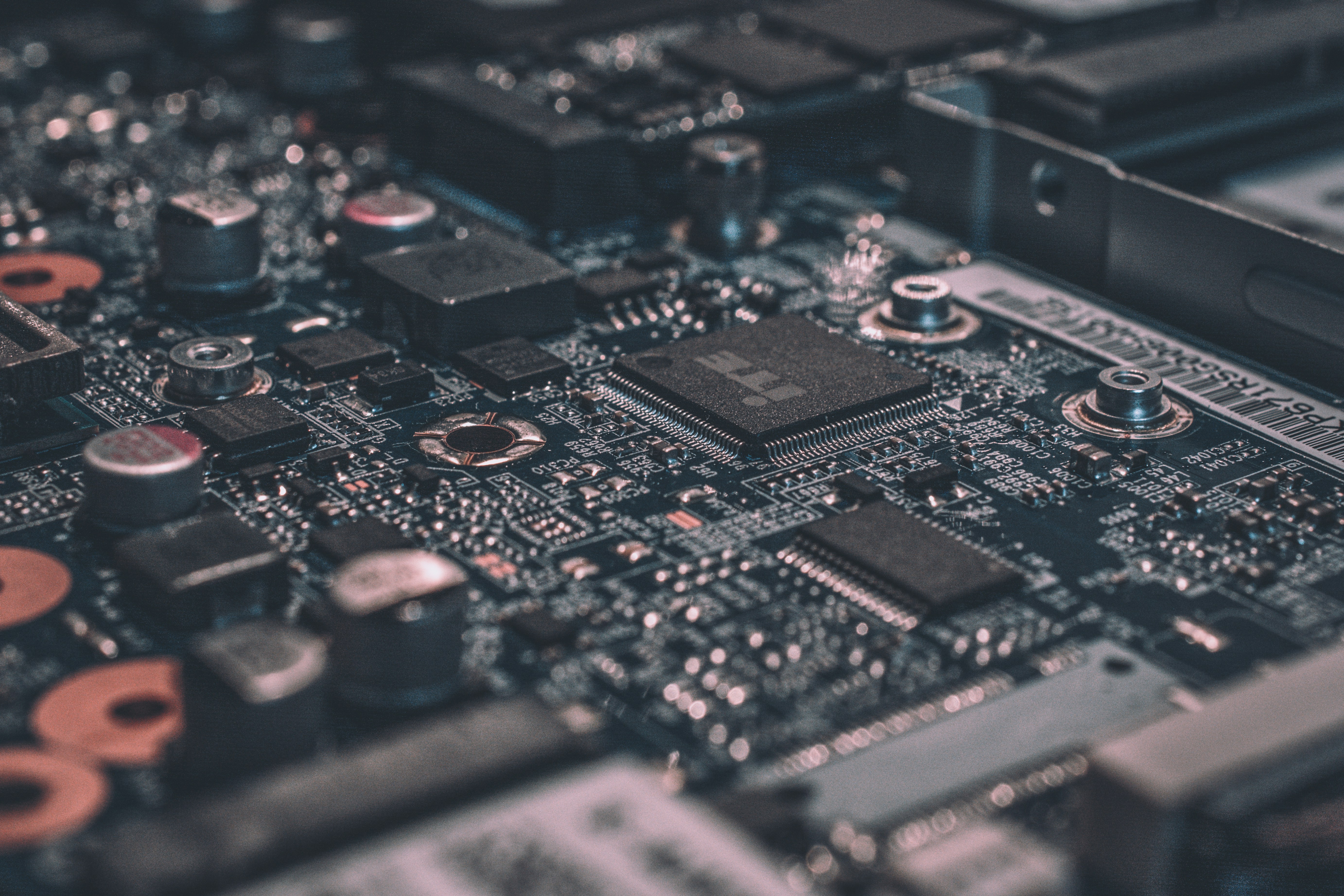
Unlike the late 1990s, today's AI boom is largely financed by some of the most profitable companies ever created.
The dominant players possess enormous cash reserves and are investing in tangible assets:
- GPU clusters
- Data centers
- Energy infrastructure
- Cloud platforms
- AI chips
This means that even if AI enthusiasm cools, the underlying infrastructure retains significant value.
The Real Risk: Monetization

The biggest challenge facing AI today is not technological capability. It is economic sustainability.
Building advanced AI systems is extraordinarily expensive. Training models requires vast computational resources, and serving billions of AI requests every day incurs substantial operational costs.
The critical question becomes:
Can AI-generated revenue eventually justify AI infrastructure spending?
The Circular Financing Problem
Another emerging concern is the creation of financial loops within the AI ecosystem.
Major technology firms invest in AI startups, which then spend significant portions of that investment purchasing cloud services and computing power from those same technology firms.
While legal and often strategic, these arrangements can sometimes make demand appear stronger than it truly is.
What History Teaches Us

The internet was not a failed idea. It transformed civilization.
What failed was the assumption that transformation would happen immediately.
Similarly, artificial intelligence may indeed reshape industries, governments, education, healthcare, and creativity. The question is not whether AI matters.
The question is whether current expectations match realistic adoption timelines.
Final Verdict
The AI boom is not a carbon copy of the Dot-Com Bubble.
Today's infrastructure is real, the technology is functional, and the companies funding it possess extraordinary financial strength.
Yet the similarities are impossible to ignore:
- Speculative optimism
- Massive capital inflows
- Valuation inflation
- Fear-driven investment behavior
The most likely outcome is not a complete collapse, but a period of correction, consolidation, and maturation.
Just as the internet survived the Dot-Com crash and ultimately changed the world, AI may follow the same path: painful in the short term, revolutionary in the long term.
What do you think?
Is AI experiencing a temporary bubble, or are we witnessing the birth of the next technological revolution? Share your thoughts in the comments below.
let me know what you all think about my blog.
ReplyDelete